The Art of Commesso Fiorentino
Florentine
Mosaic
An art of building images in stone, where thin slices of hardstone are cut to the shapes of a drawing and placed edge to edge—transforming natural veins, spots, and clouds into brushstrokes.
What is Commesso Fiorentino?
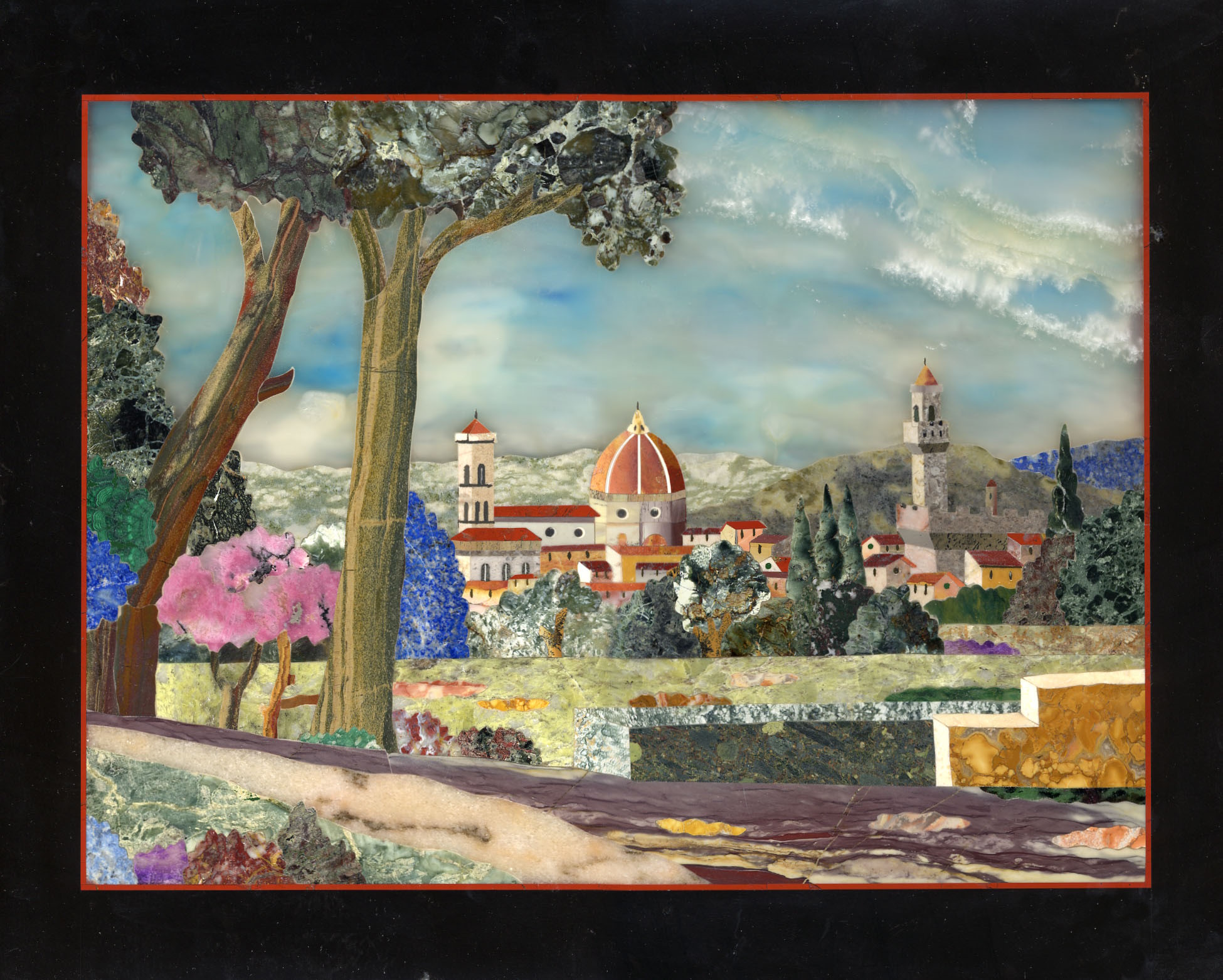
Commesso fiorentino is a way of building images in stone. Thin slices of hardstone—jasper, chalcedony, agate, lapis lazuli—are cut to the exact shapes of a drawing and placed edge to edge on a support, usually slate. When the fitting is finished and the surface is polished, the separate pieces disappear into a single continuous image.
Unlike traditional mosaic, which uses small, regular tesserae, Florentine mosaic uses pieces of different size and shape. The craftsman chooses each piece for its colour and natural pattern, using veins, spots, and clouds in the stone in place of brushstrokes.
The result is not a picture made of many small pieces, but a picture made of stone itself—where the material becomes the medium and the image emerges from nature's own palette.
Florentine commesso: stones cut to follow the drawing, fitted edge to edge with invisible joints
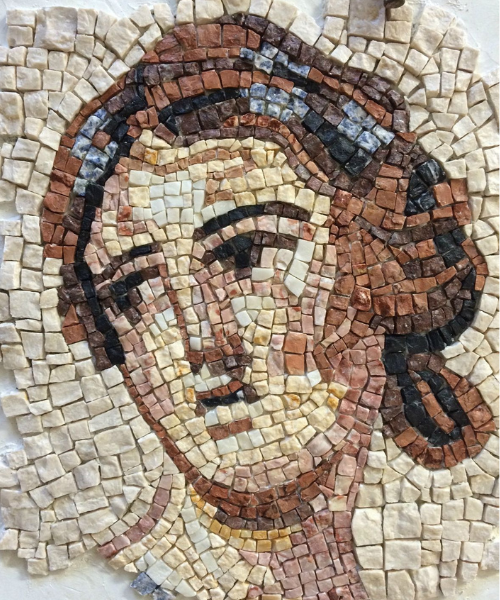
Traditional mosaic: small regular tesserae
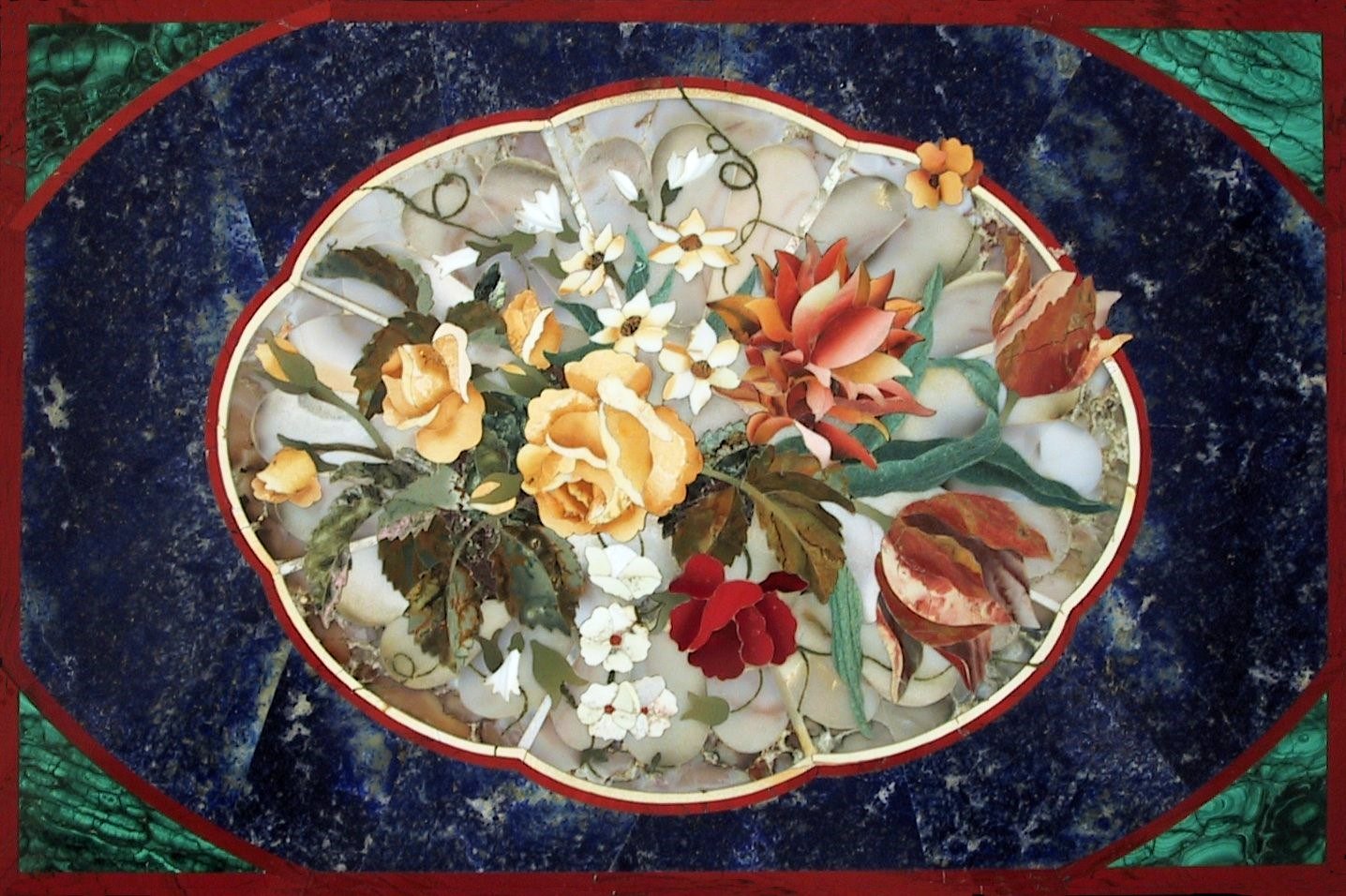
Florentine commesso: irregular organic shapes
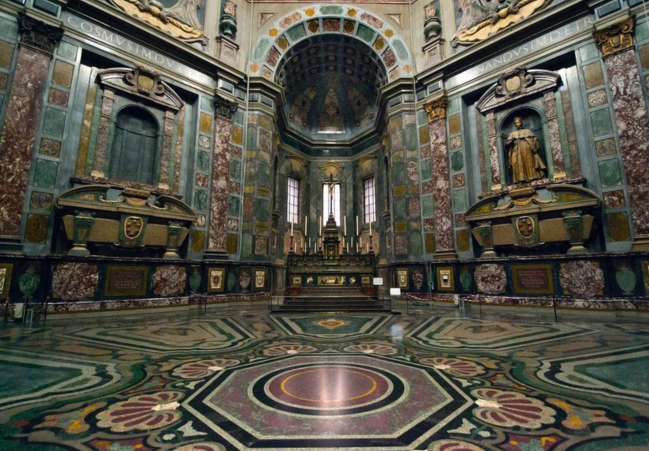
The Chapel of the Princes (begun 1604). Designed by Matteo Nigetti and Bernardo Buontalenti as the dynastic mausoleum for the Medici Grand Dukes—the most lavish display of commesso fiorentino in existence. 28 meters wide, 59 meters high. Basilica of San Lorenzo, Florence.
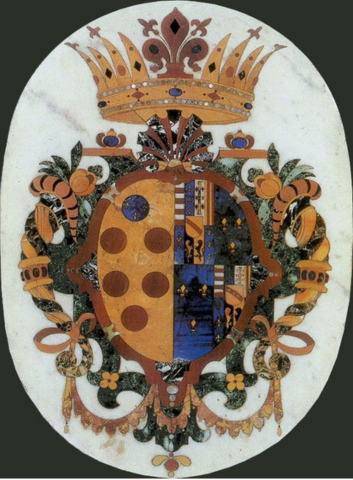
Medici-Lorraine Coat of Arms (c. 1589–1590). Commissioned to celebrate the marriage of Ferdinando I de' Medici to Christina of Lorraine. 38 × 29 cm. Museo dell'Opificio delle Pietre Dure, Florence.
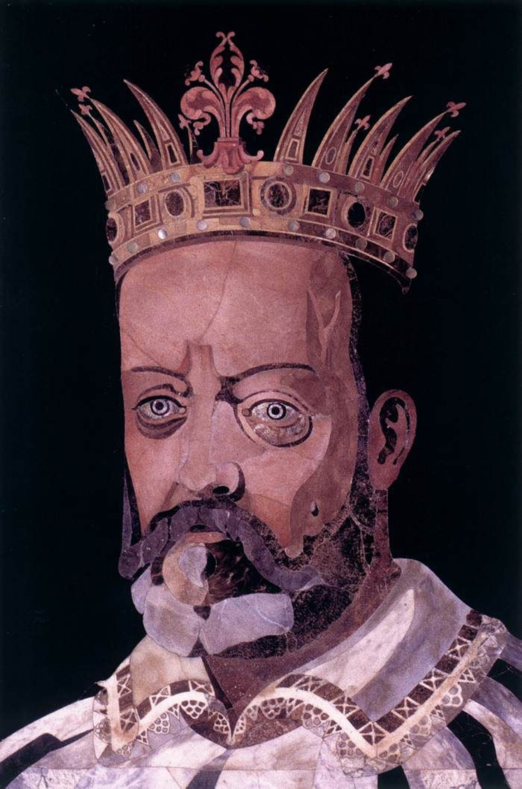
Portrait of Cosimo I de' Medici (1598). Executed by Francesco Ferrucci del Tadda to commemorate the first Grand Duke of Tuscany. 97 × 68 cm. Museo dell'Opificio delle Pietre Dure, Florence.
Origins
The Medici Legacy
The technique of hardstone inlay drew upon earlier traditions of stone-working—most directly, Roman opus sectile and hardstone inlay, as well as late antique and medieval inlay practices that survived in Italy. Yet commesso fiorentino took its distinct pictorial form in Florence under Medici patronage.
In 1588, Grand Duke Ferdinando I de' Medici established the Opificio delle Pietre Dure—not a private workshop, but a Grand-Ducal institution. The Opificio centralized and codified the techniques of commesso, trained successive generations of craftsmen, and refined the tools and methods that allowed stones to be worked with pictorial subtlety. Panels produced there adorned Medici chapels and palaces, and served as diplomatic gifts to courts throughout Europe.
When the Grand-Ducal period ended, this accumulated knowledge passed from the Opificio into private workshops in Florence. Today, only a small number of ateliers continue to work in this manner—maintaining a direct, unbroken link with the Renaissance tradition.
Cultural Context
Where to See Commesso in Florence
Museo dell'Opificio delle Pietre Dure
Via degli Alfani, 78The state conservation institute of Italy, housed in the former Grand-Ducal workshop. Its collection includes historical panels, antique tools, and centuries of accumulated craft knowledge.
Original 16th-century workbenches remain in use today
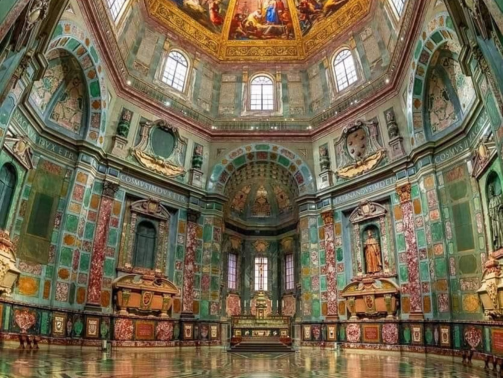
Cappella dei Principi
Medici Chapels, San LorenzoThe octagonal mausoleum of the Medici Grand Dukes, begun in 1604. Its walls, floor, and altar are entirely clad in hardstone—a project that continued for over two centuries.
Inlaid surfaces extend from floor to dome
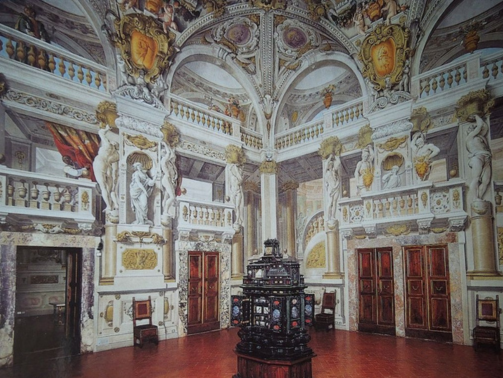
Museo degli Argenti
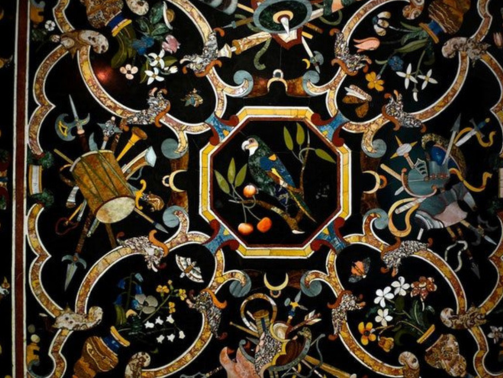
Palazzo Pitti, ground floorThe treasury of the Medici, occupying their former summer apartments in Palazzo Pitti. The collection spans hardstone vases, jewelled caskets, and elaborate tabletops.
Lorenzo the Magnificent's ancient vase collection
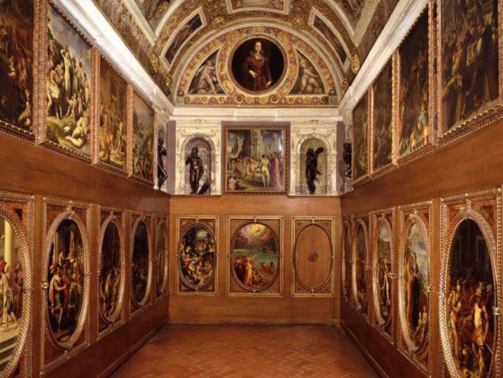
Studiolo di Francesco I
Palazzo VecchioA small, windowless chamber designed by Vasari for Grand Duke Francesco I. The room served as a private cabinet of curiosities, with paintings concealing cupboards for rare objects.
Hidden doors behind painted panels
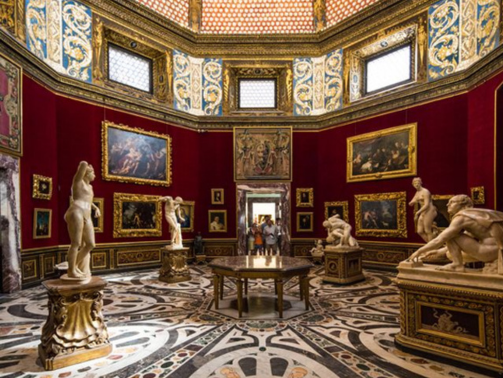
Tribuna degli Uffizi
Galleria degli UffiziAn octagonal chamber designed by Buontalenti in 1584 to display the finest Medici treasures. Its domed ceiling, mother-of-pearl shell vault, and inlaid floor create a jewel-box interior.
Radiating geometric floor pattern
The Stones
The work is done with hard and semi-precious stones: jasper, chalcedony, agate, onyx, lapis lazuli, malachite, porphyry, marbles, and others. Some stones are local—craftsmen have long collected suitable pebbles along the beds of Tuscan streams. Others arrive from quarries that have supplied Florentine workshops for generations.
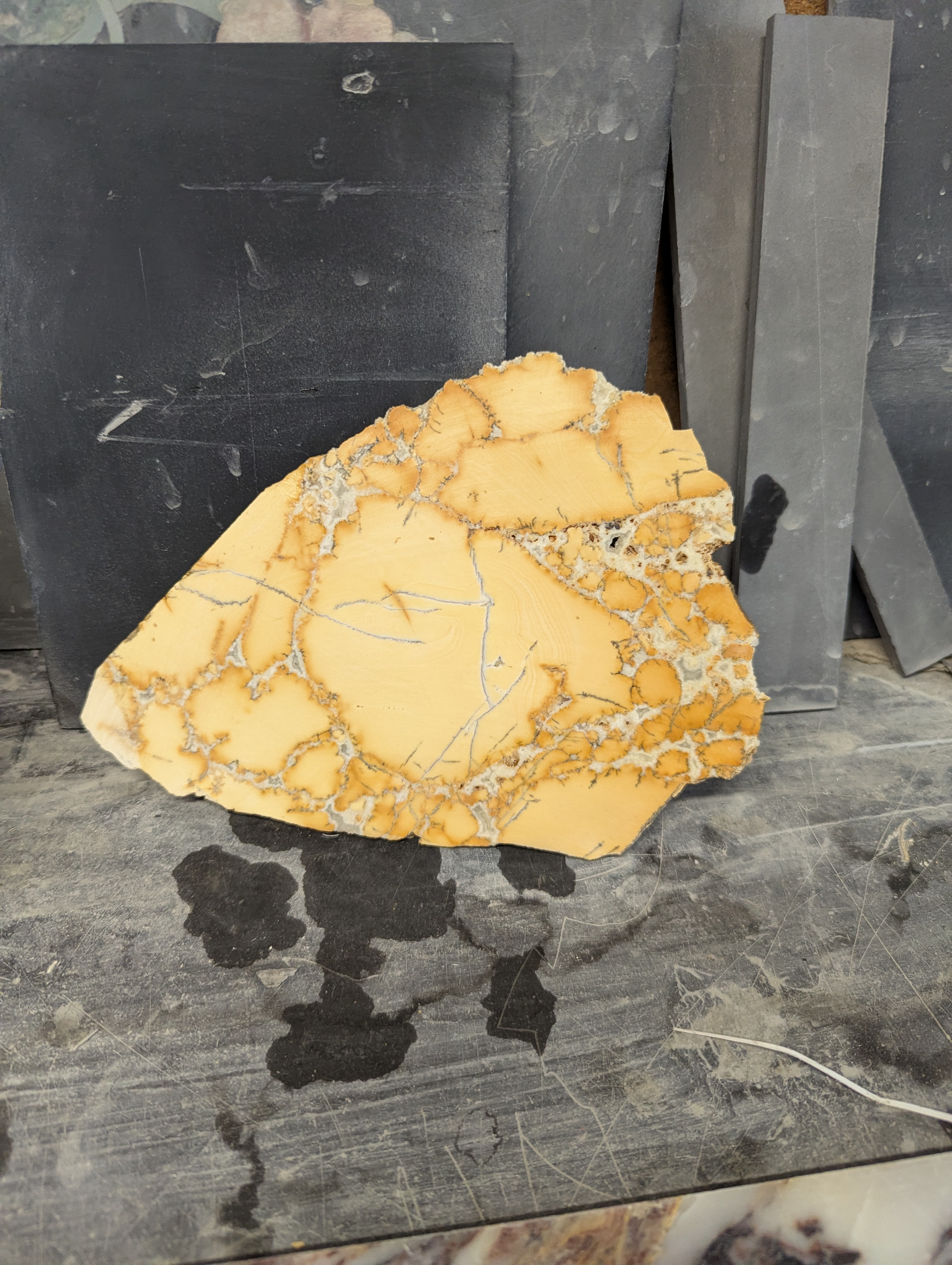
Jasper Breccia
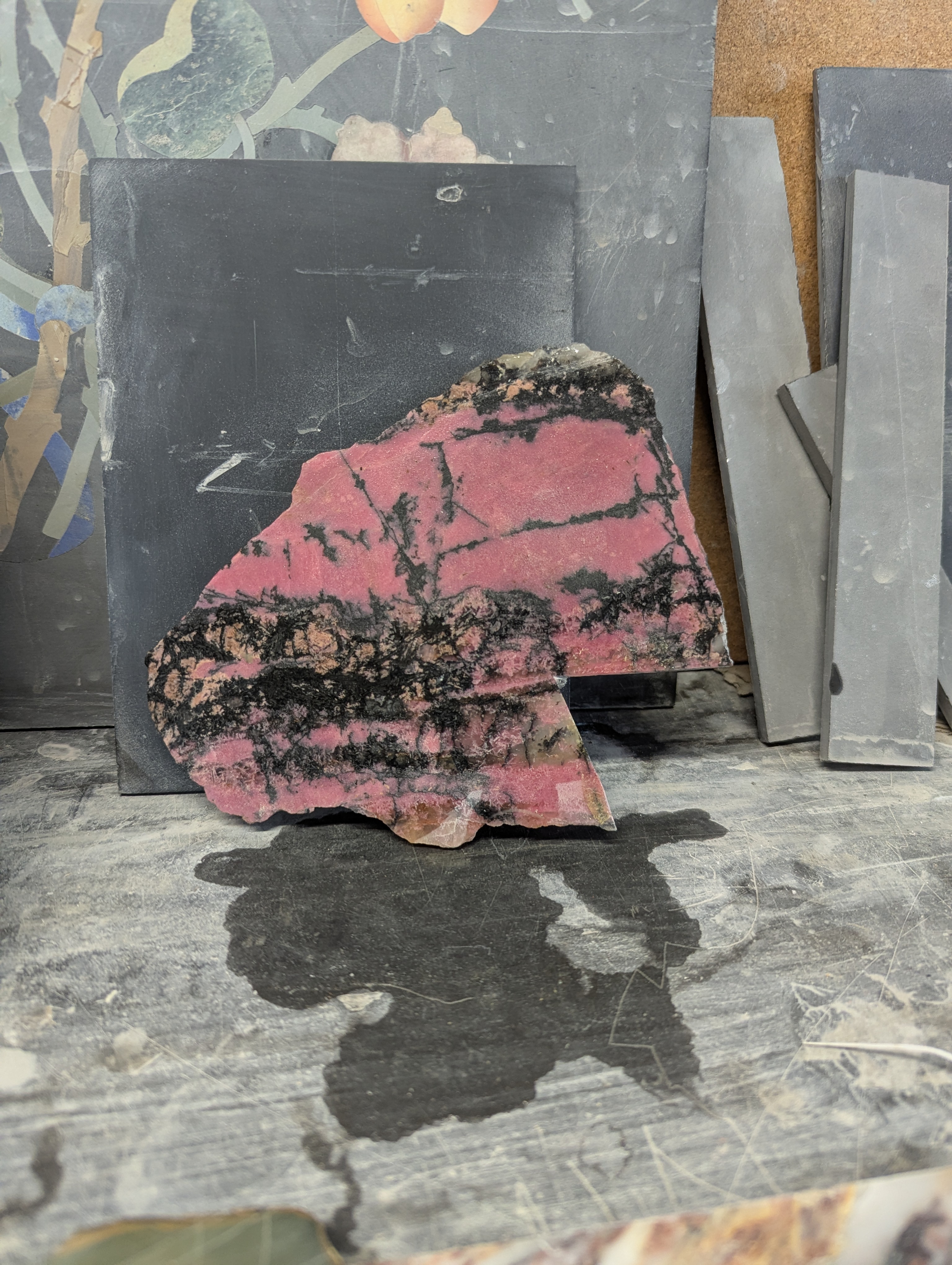
Rhodonite
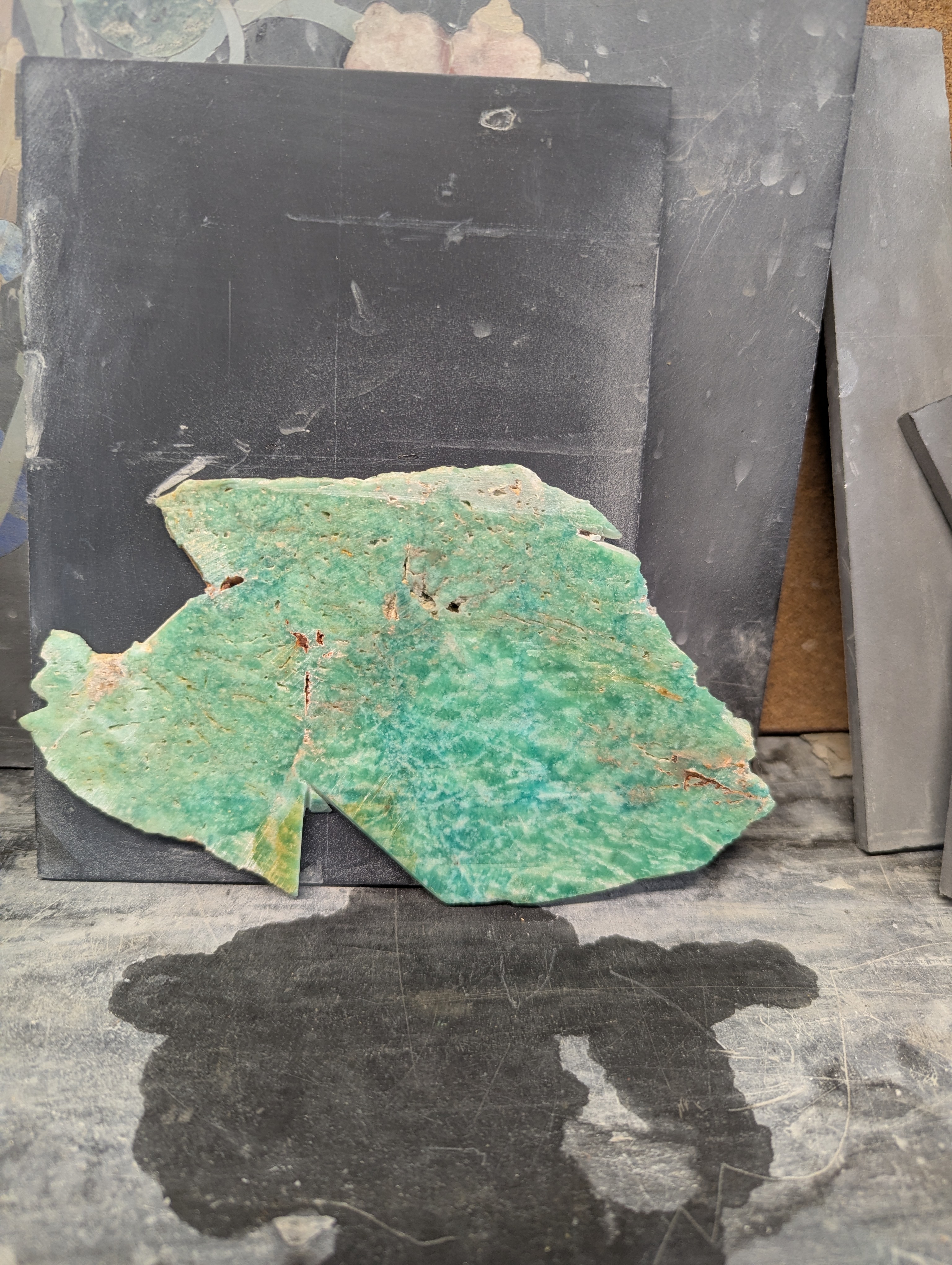
Amazonite
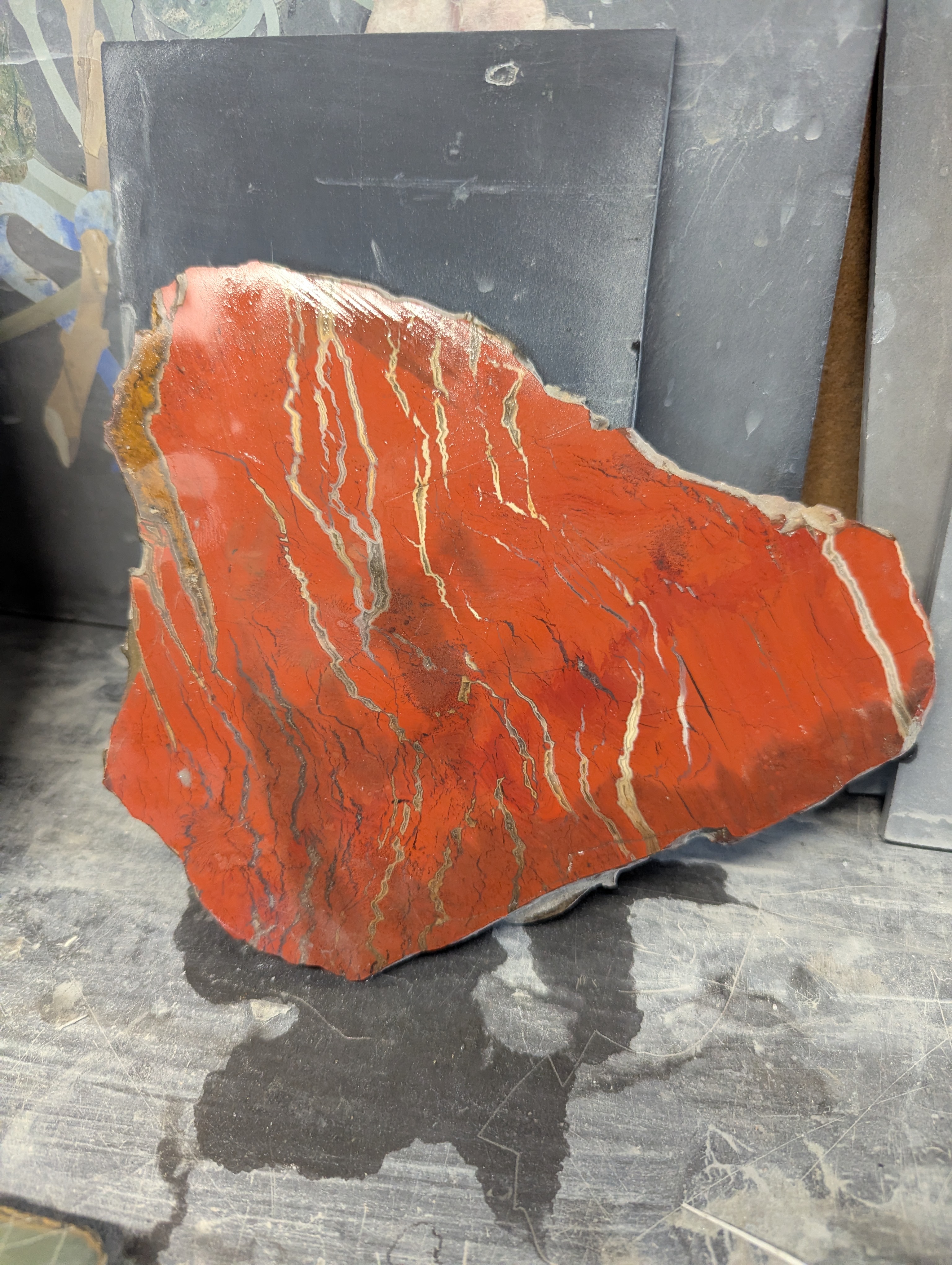
Red Jasper
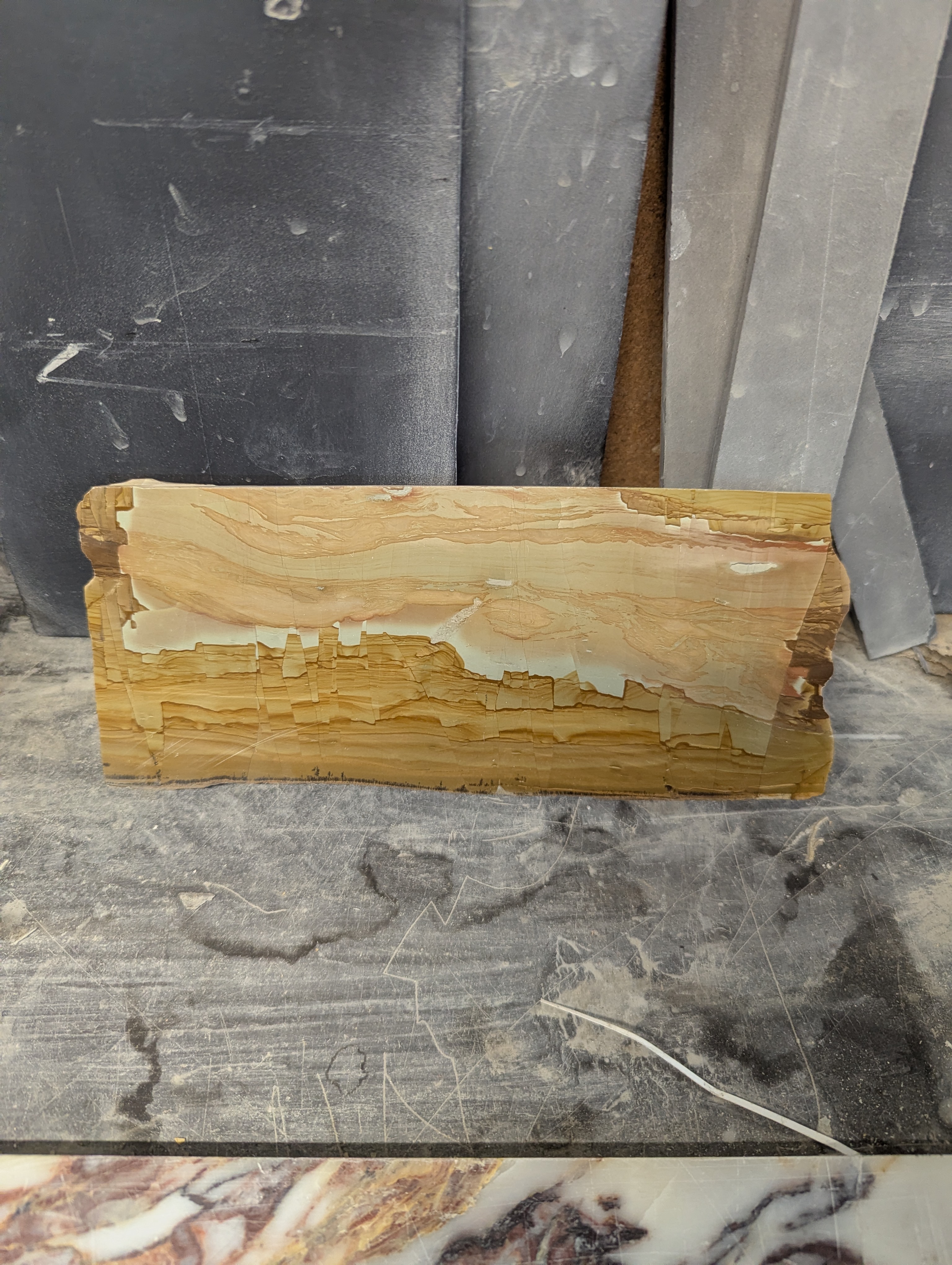
Landscape Stone
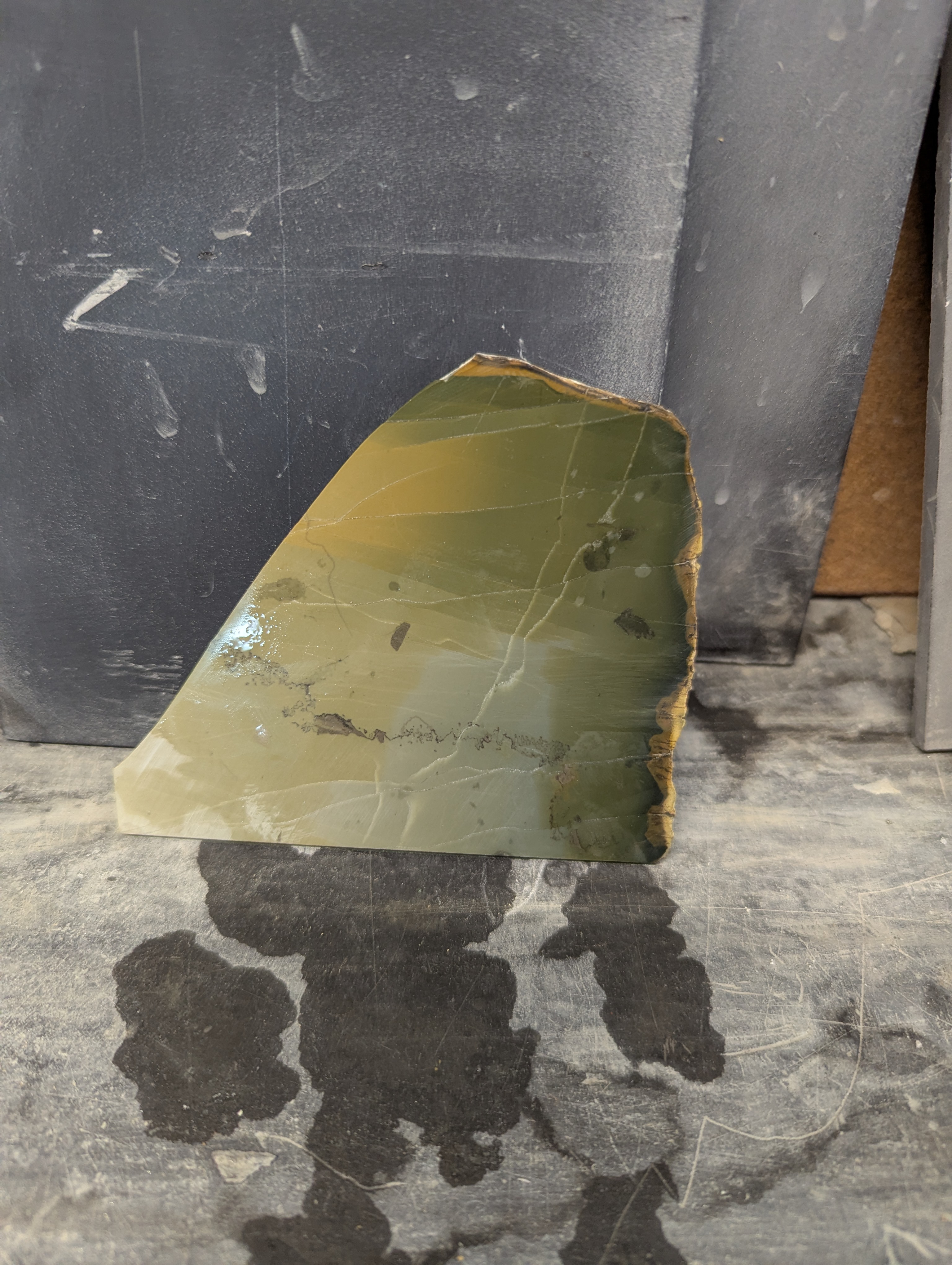
Arno Green
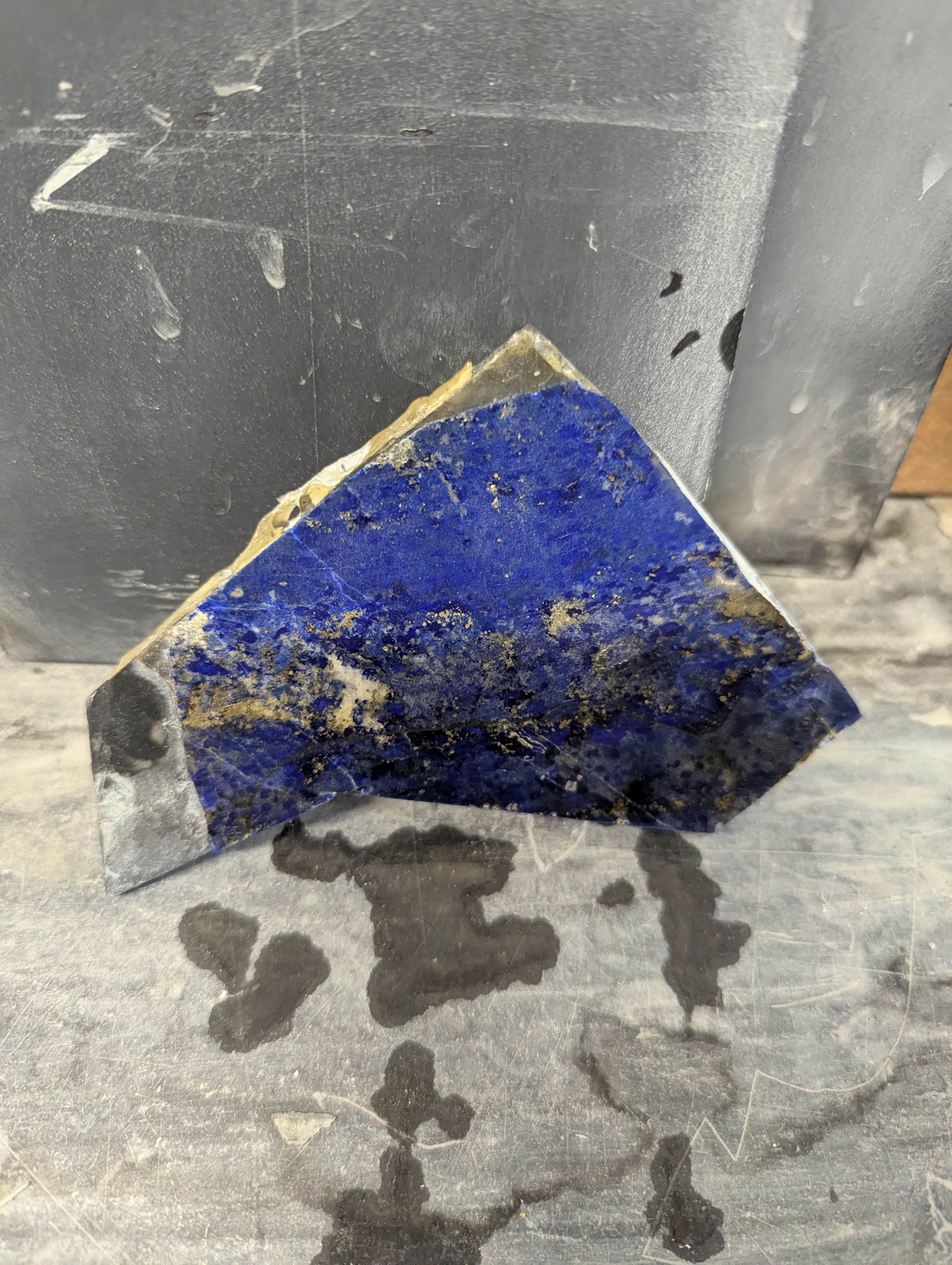
Lapis Lazuli
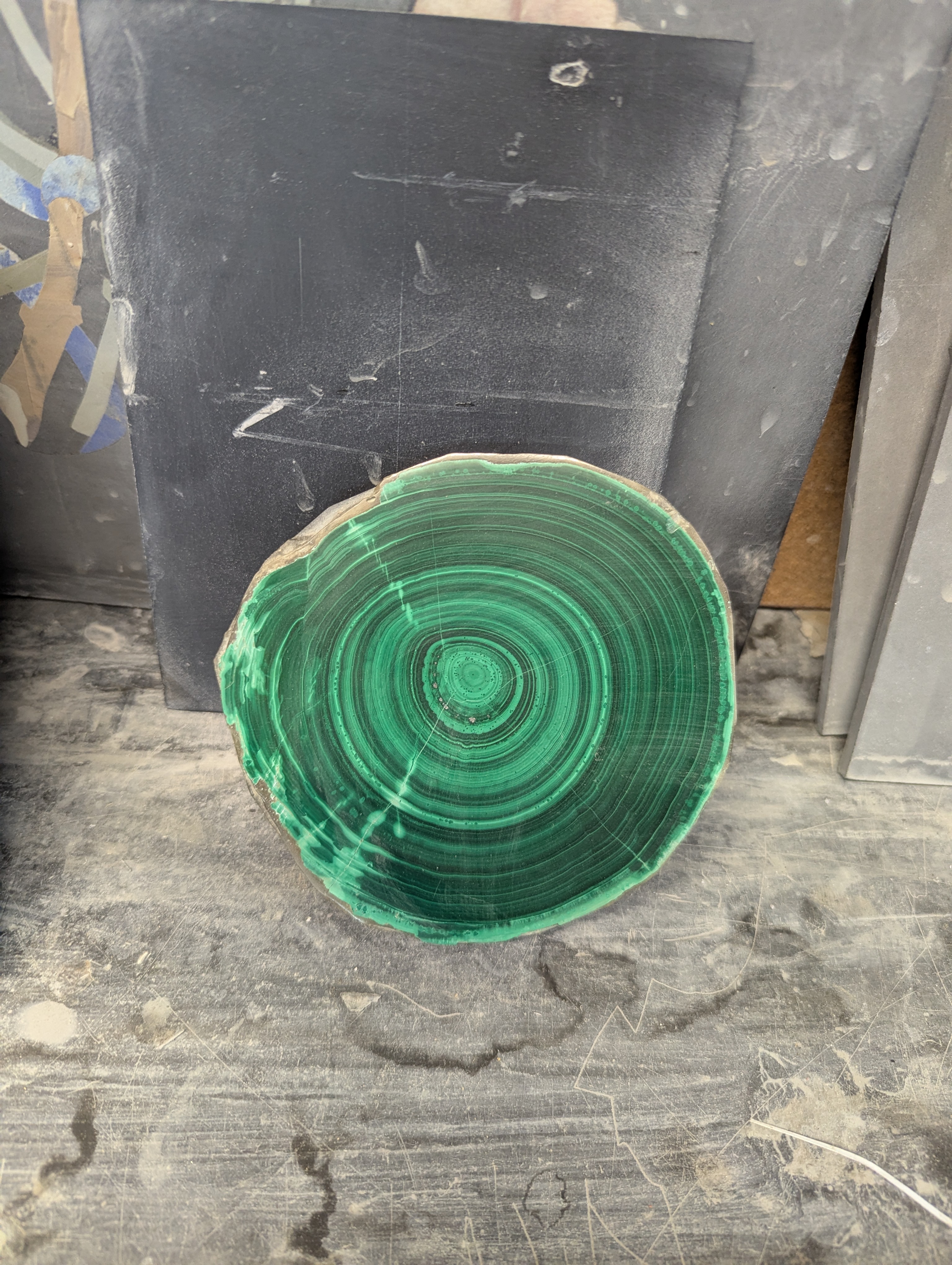
Malachite
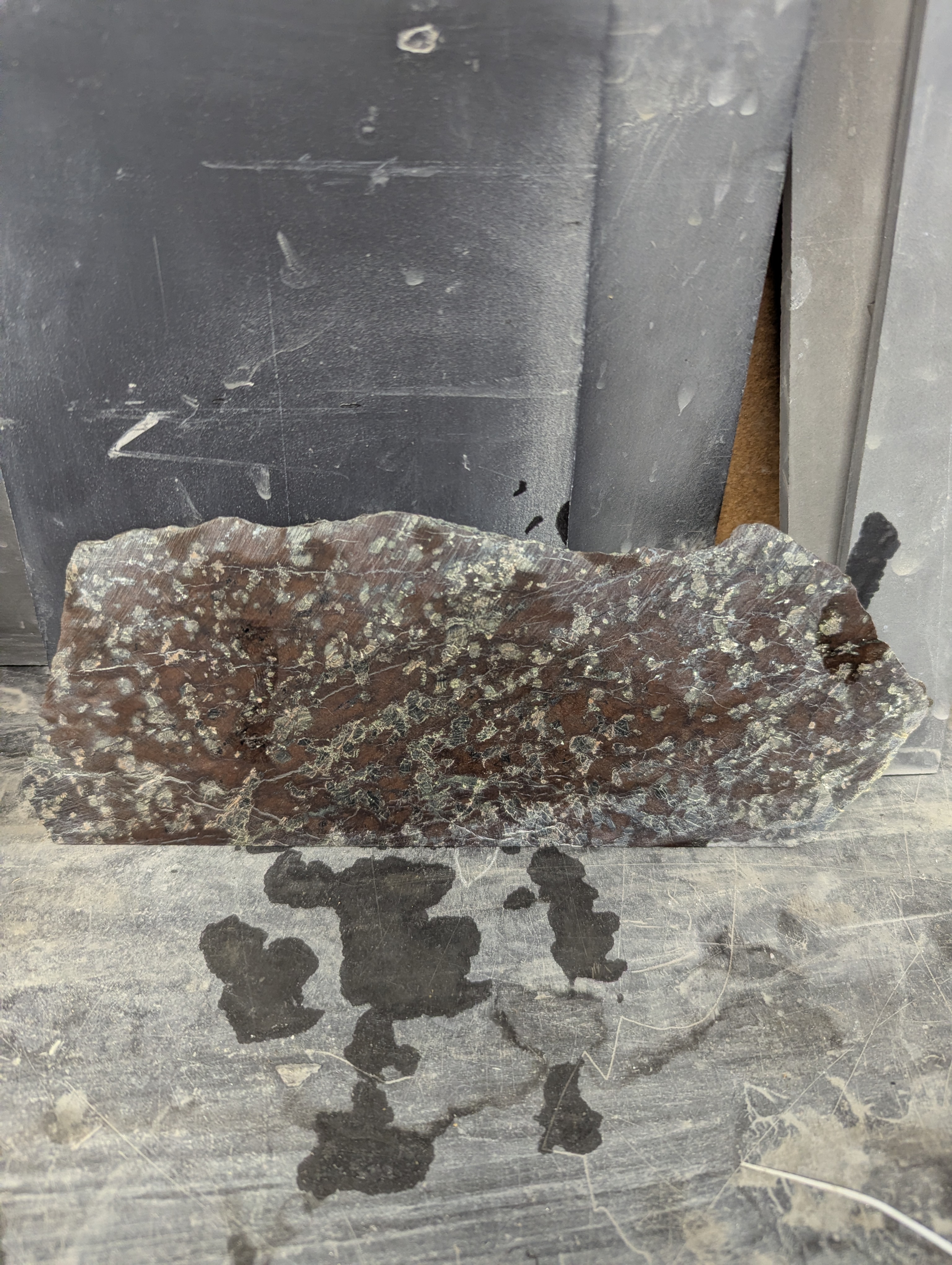
Gabbro
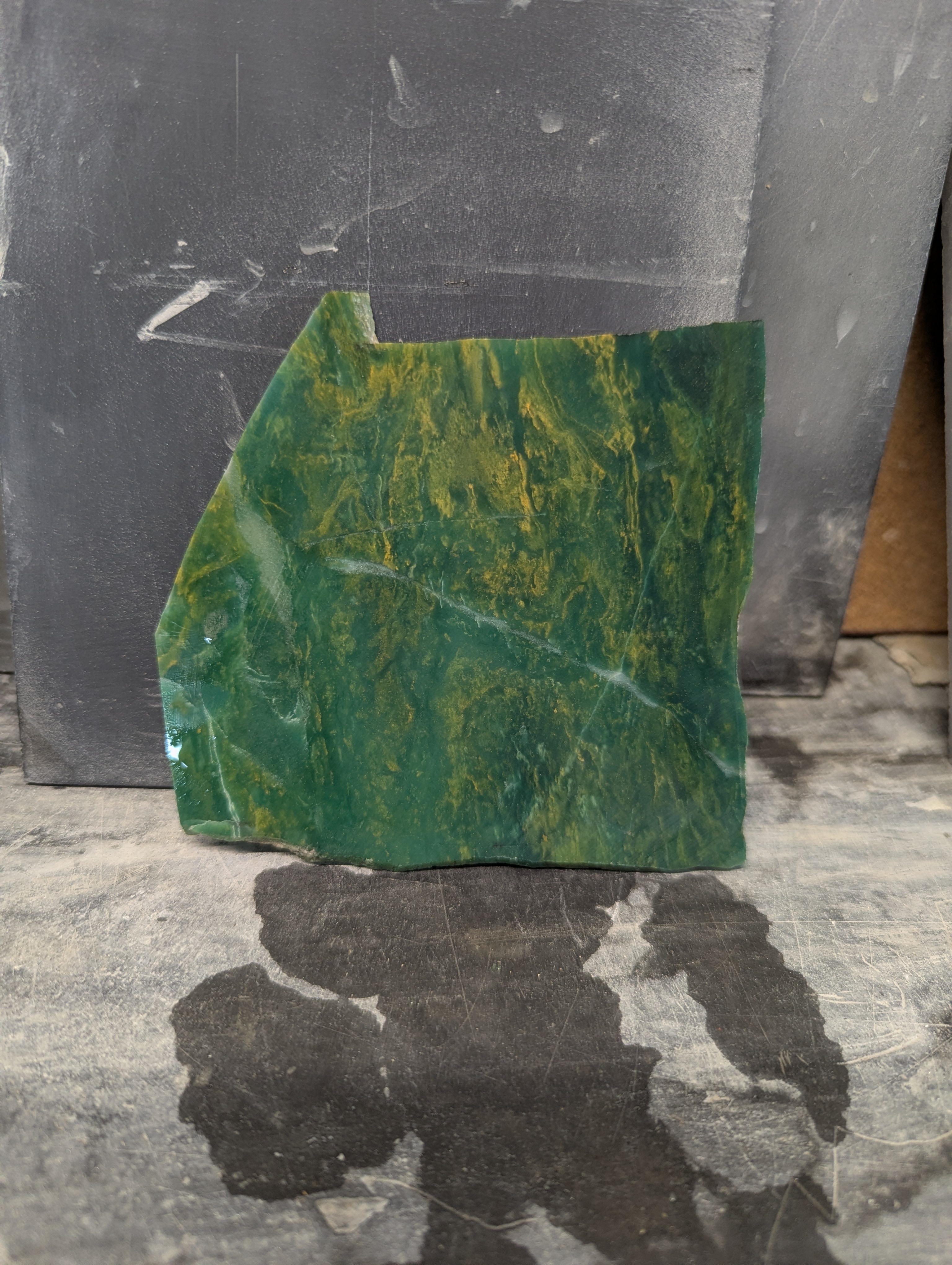
Nephrite Jade
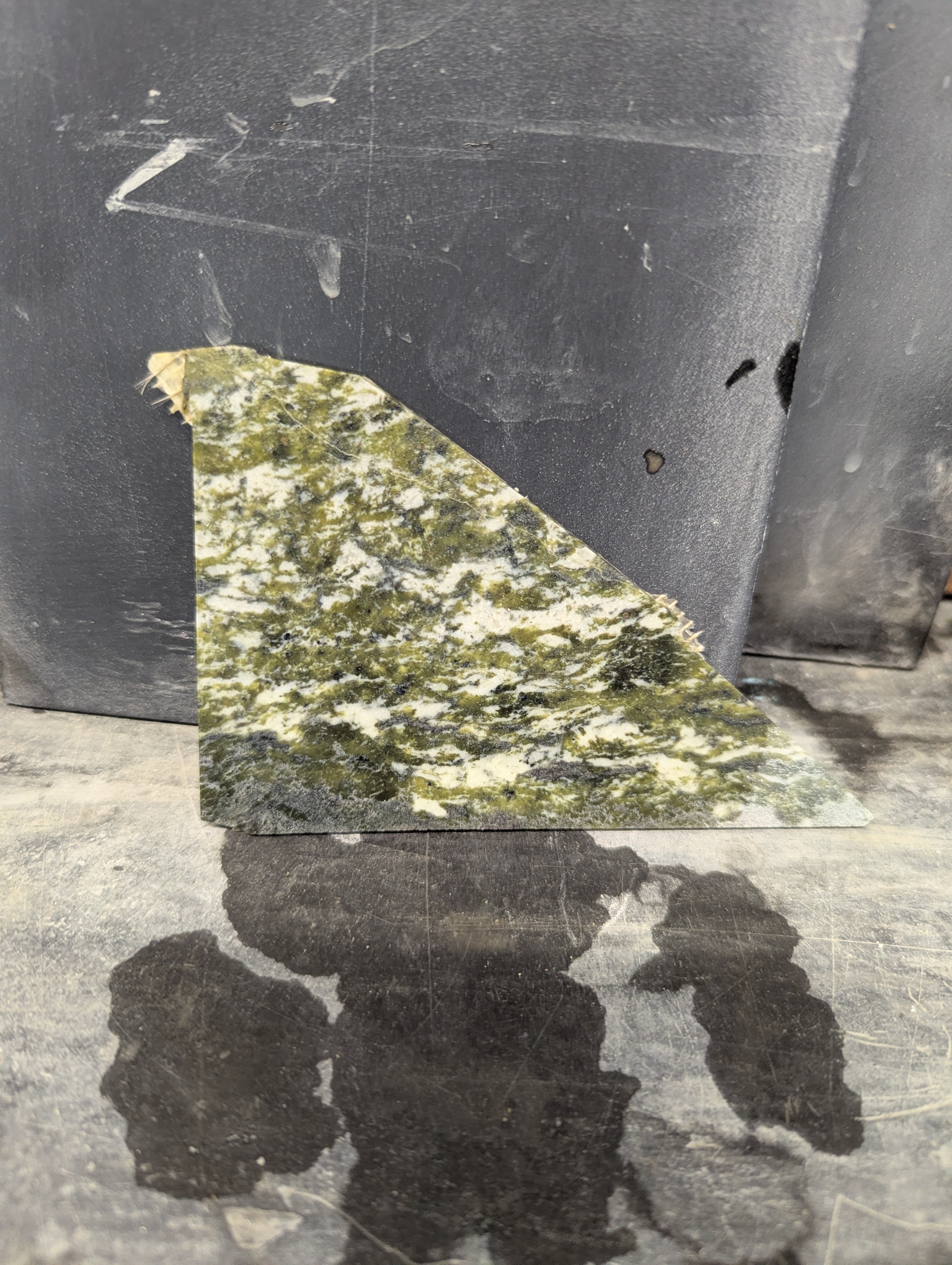
Serpentinite
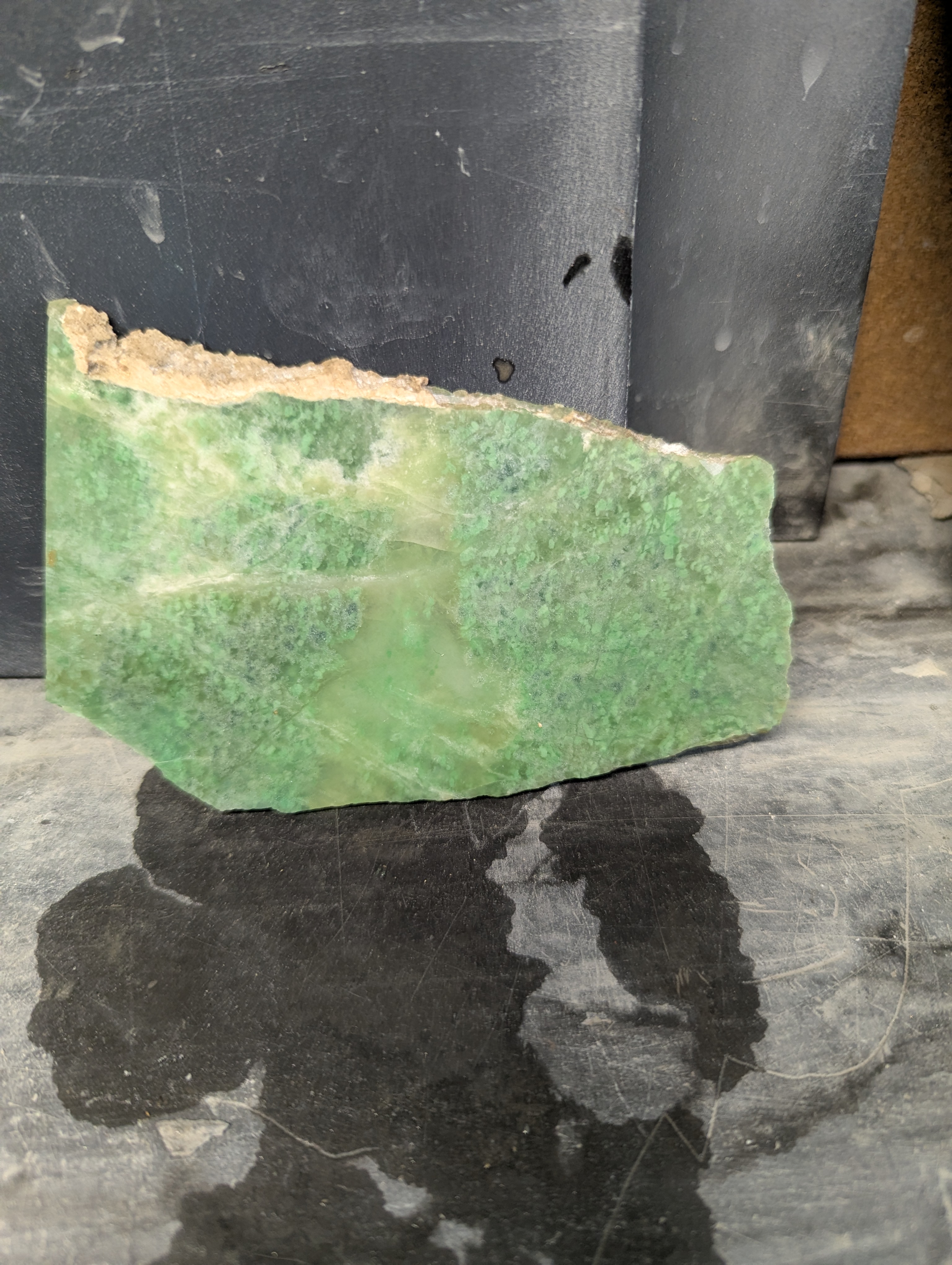
Raw Nephrite Jade
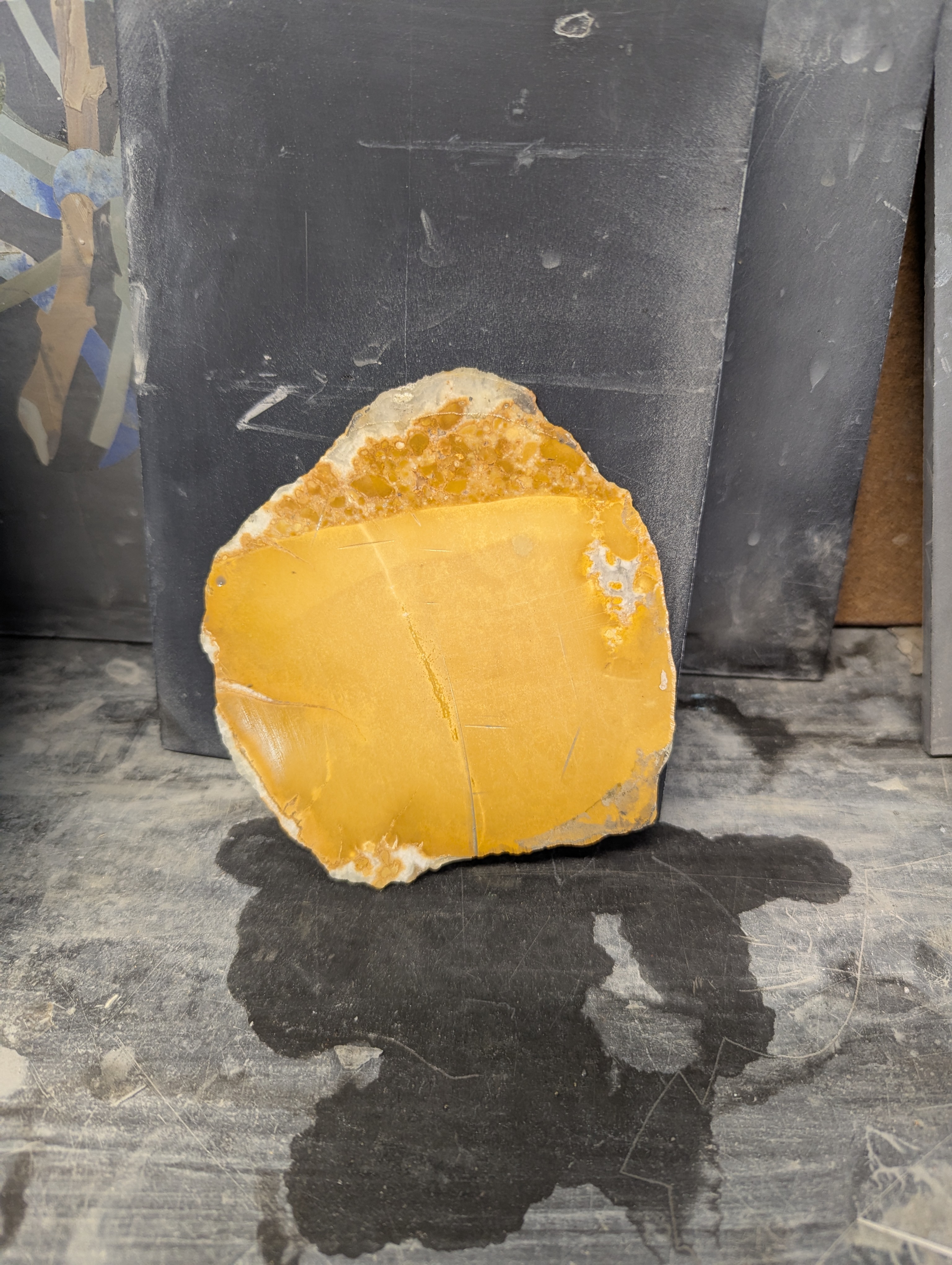
Yellow Jasper
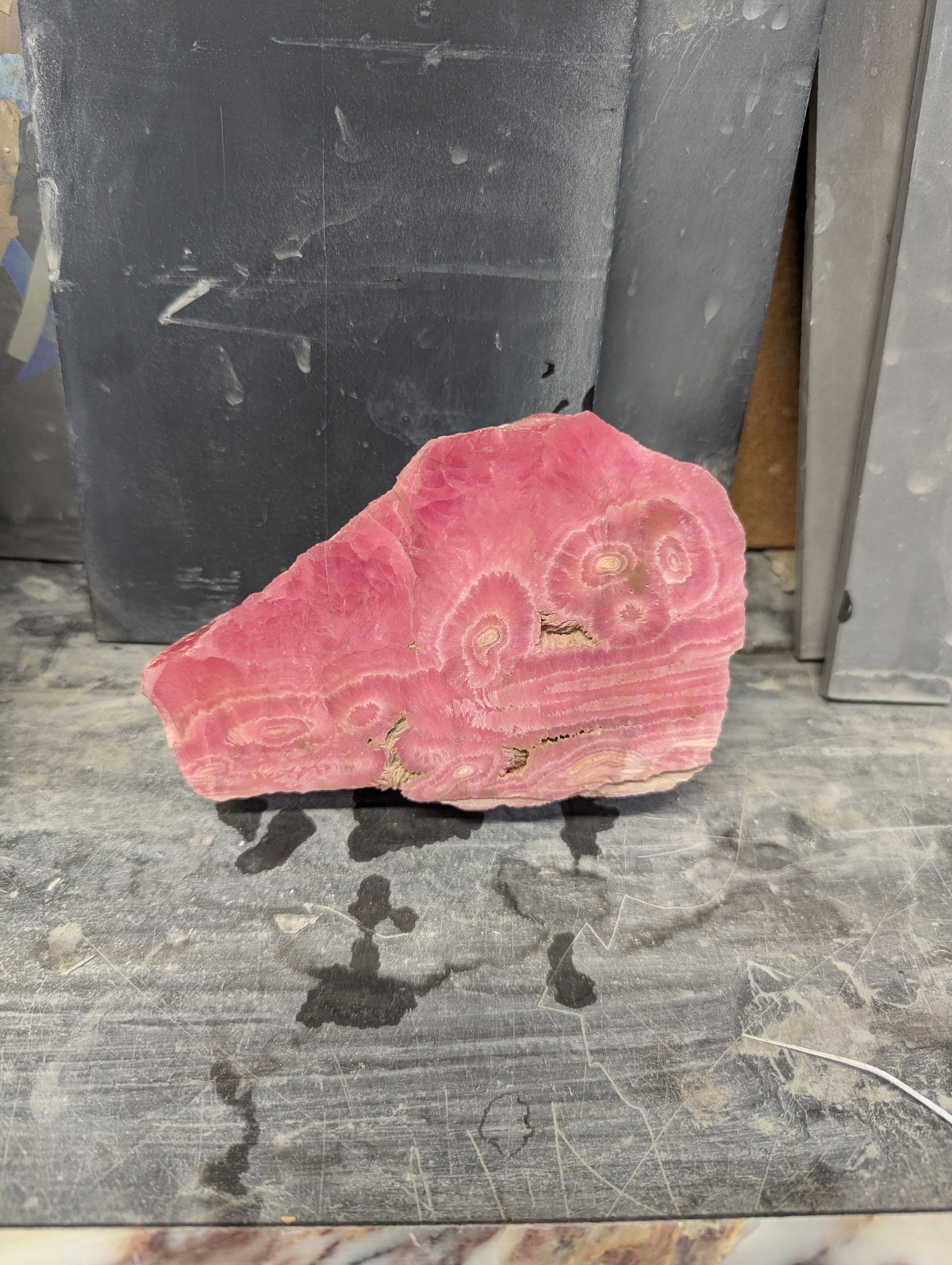
Rhodochrosite
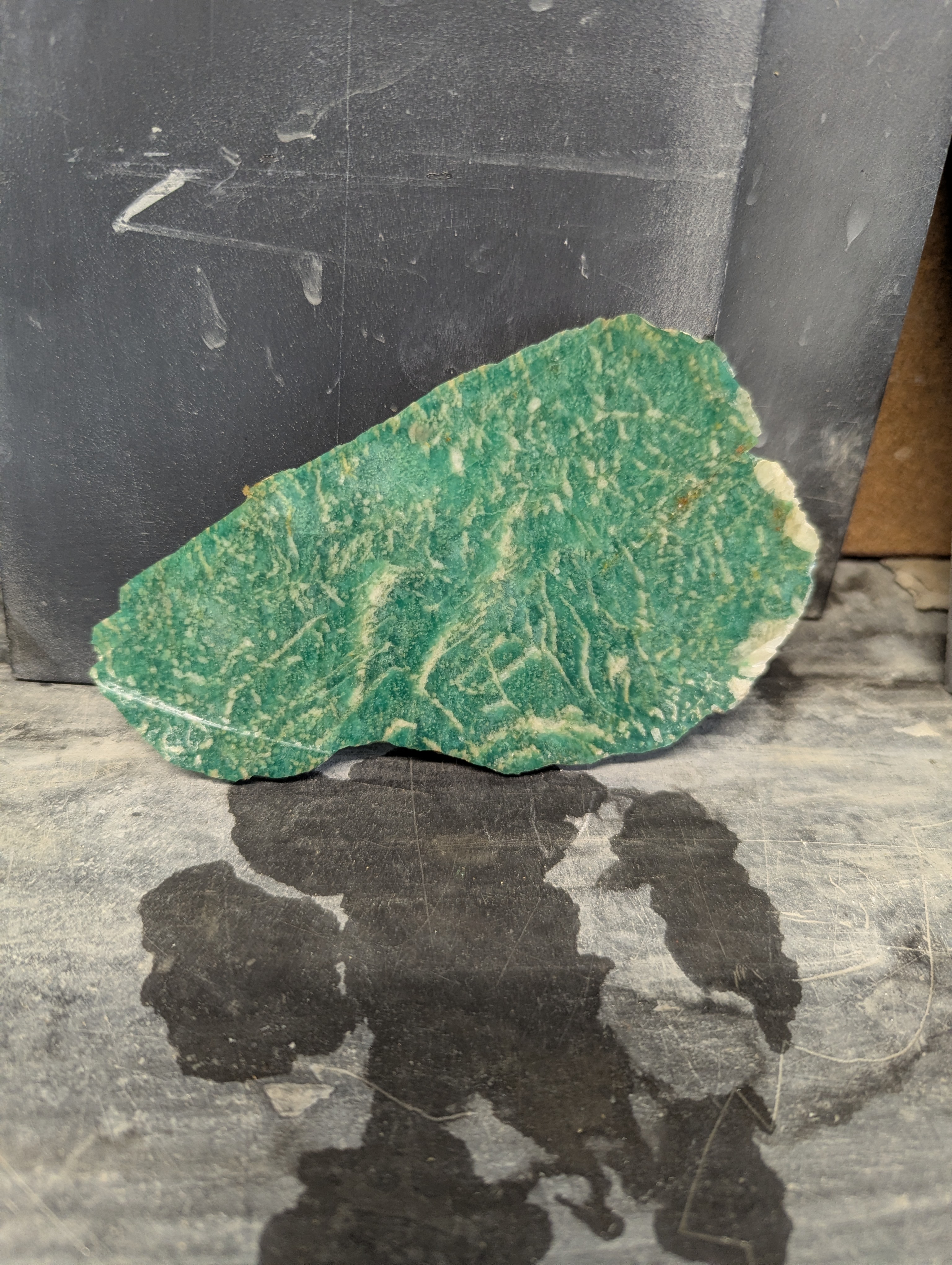
Fuchsite
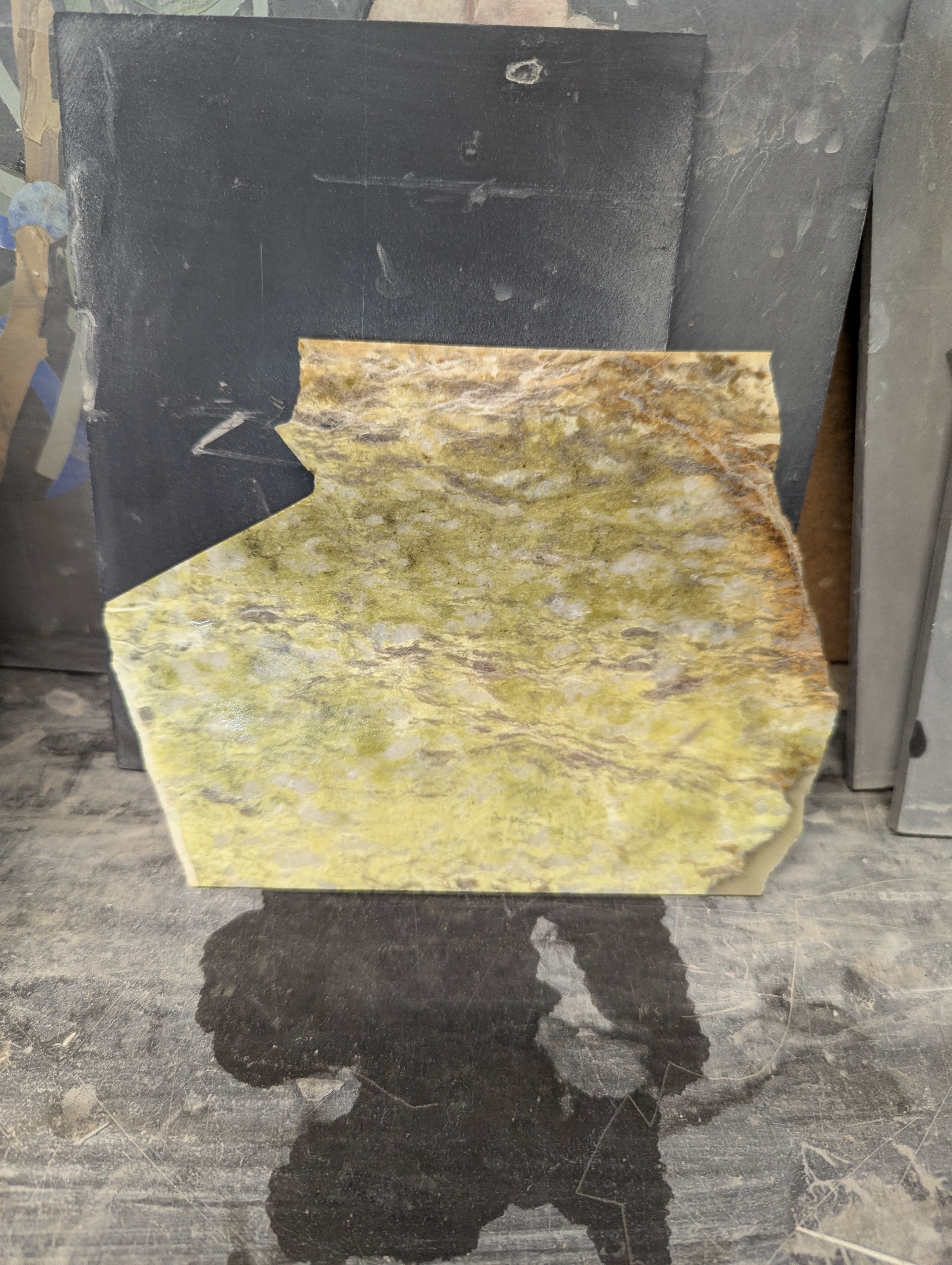
Connemara Marble
Each type of stone has its own hardness and reaction to the saw and to polishing. The choice of material is part of the design: a vein of blue chalcedony becomes a river; a cloud in green jasper suggests distant hills; the banding of agate traces the folds of drapery.
.jpg)
.jpg)
From Sketch to Finished Panel
The Making Process
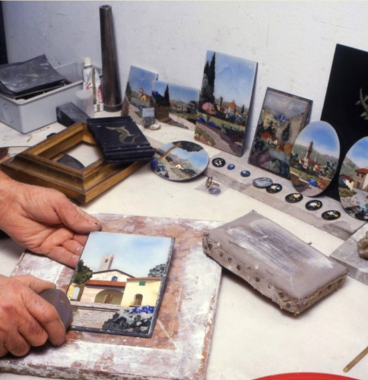
Creating a Florentine mosaic is a gradual process in which each step builds on the one before. A medium panel usually takes several weeks of work; larger or more detailed subjects can take months.
Drawing the Subject
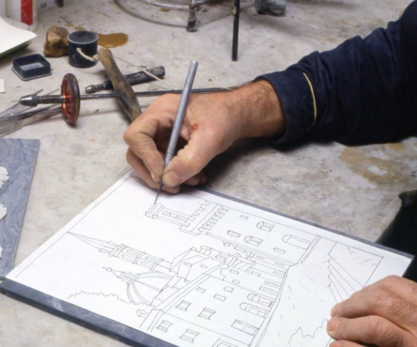
The subject is drawn full-size on paper, with all details indicated. This is not a decorative sketch: the drawing already shows where joints will fall and which parts will be cut from which stones. It becomes the template for the entire panel.
Choosing and Sawing the Stones
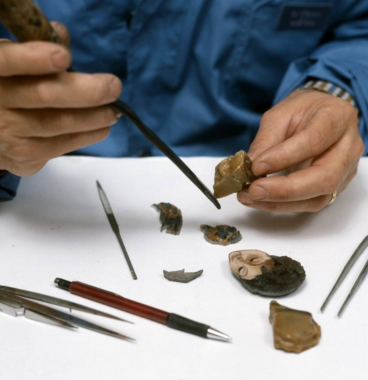
Stones are selected for their colour and veining, then sawn into slices just a few millimetres thick. The craftsman searches each slice for natural patterns—clouds, veins, spots—that can serve as sky, foliage, water, or architecture.
Cutting and Fitting
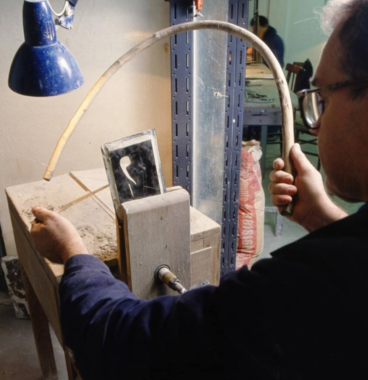
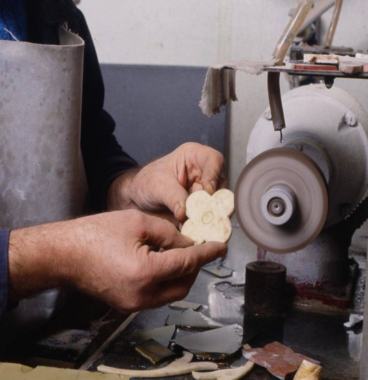
Each piece is cut with a bow-saw—a cherry-wood frame strung with iron wire—shaped on the grinding wheel, and tested against its neighbours. The pieces are adjusted repeatedly until their edges touch perfectly and the joints almost disappear.
Polishing and Finishing
When all pieces are fitted, the composition is glued onto a slate support and polished on the wheel. The surface is worked until the separate pieces become smooth and even—a single continuous image where only the drawing and the natural patterns of the stones remain visible.